Vermont’s winter storms can be beautiful but also quite destructive. As snow and ice accumulate on roofs, they can cause hidden damage that may go unnoticed until it leads to bigger problems. In this blog, we will guide you through how to effectively spot roof damage after a winter storm, ensuring your home remains safe and secure. Let’s dive into some essential tips to keep your roof in top condition!
Understanding Common Types of Roof Damage
Roofs can sustain various types of damage during harsh winter conditions. Understanding what to look for, such as missing shingles, ice dams, and leaks, is essential for effective inspection.
After a storm, you might notice some shingles that are outright missing, while others may just be loose. Don’t overlook these signs as they can lead to problems down the road, such as water leaks or mold growth inside your home. Furthermore, even if your roof looks fine at first glance, check for curling or cracking shingles that could indicate underlying issues as well.
In addition to shingle damage, look out for ice dams. These pesky formations occur when melting snow refreezes along the edges of your roof, creating a barrier that can trap water and lead to leaks. The key to preventing ice dams is proper attic insulation and ventilation, but always inspect for early signs of trouble.
While visible signs of damage are vital, remember to consider how the roof’s overall structural integrity is affected by heavy snow loads. As snow accumulates, it puts strain on the entire roof structure. An unusual sagging or bending might not only indicate damage but a potentially dangerous situation requiring immediate attention.
After a winter storm, it’s crucial to perform a quick visual inspection of your roof. Key signs of damage include sagging areas, visible debris, or loose shingles that may indicate underlying issues.
Take a look at the edges of your roof where the snow might have melted first. Areas that appear darker or wetter than others may indicate a leak or blockage caused by ice or debris. A careful inspection can reveal problems that could lead to costly repairs if left unchecked.
Also, don’t forget to inspect your gutters and downspouts. Packed snow and ice can cause blockages in these areas, which may exacerbate roof problems. If snow and ice melt but can’t drain from the roof properly, it can accumulate and cause water to seep into your home’s interior.
Always ensure your safety first. Use binoculars from the ground to see if you can spot signs of trouble. If that’s not possible, think about hiring a local expert who can provide a safe and thorough inspection.
Once the storm has passed and conditions are safe, a more detailed assessment can be performed. This includes checking the interior of your attic for water stains or mold, which can signal roof leaks.
Climbing into your attic might seem daunting, but it’s imperative for identifying hidden issues. Look for any discoloration on the beams or plywood, which can indicate water intrusion. The presence of an earthy smell or mold could also be a sign that you’ve got moisture problems.
After you inspect the attic, it’s important to head back outside for a thorough evaluation of the roof. Make sure to examine all the flashing around chimneys and valleys since these areas are frequent culprits for leaks.
Don’t forget the roof vents—both for the attic and bathroom. Damaged vents can also allow moisture to escape into the roof and cause damage. Make sure they are in good condition and free from obstructions.
Recognizing the Signs of Ice Dams and Snow Accumulation
Ice dams can lead to significant damage if not addressed promptly. Knowing how to identify these blockages and understanding their impact on your roof is essential for maintaining its health.
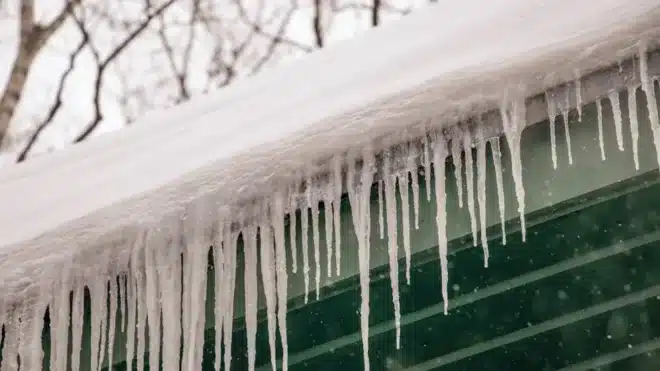
Look for thick ice formations along the eaves of your roof. This scenario often requires immediate action to prevent further damage. If you notice icicles or a ridge of ice forming, it’s time to intervene, whether by clearing the roof or consulting with professionals.
Keeping an eye on the snow accumulation is equally important. It’s easy to underestimate how much weight a roof can hold. Generally, if you see over a foot of snow, consider reaching out to experts who can safely clear the roof to prevent structural damage.
Also, be cautious around warm roofs. When heat from the home escapes into the attic, it can melt snow on the roof, leading to the formation of ice dams as the water refreezes at the roof’s edge.
When to Call in a Professional for Help
If you find significant damage or are unsure about the condition of your roof, contacting a local roofing professional is wise. They can conduct a thorough inspection and recommend appropriate roof replacement options if necessary.
You might hesitate to pull the trigger on a professional service, but remember that early intervention can save you money in the long run. Oftentimes, what seems like a minor issue can escalate if not handled promptly.
Moreover, many roofing professionals offer free estimates. This can be a great opportunity to educate yourself on your options while getting a clearer picture of your roof’s health.
If you’re looking for roof replacement near me, don’t hesitate to check online reviews or ask for referrals to find a trustworthy contractor who will prioritize your needs.
Ensuring Your Roof’s Longevity
By taking the time to carefully inspect your roof after a winter storm, you can catch potential issues early and prevent costly repairs down the line. Remember, if you spot any damage or aren’t sure how to assess it, don’t hesitate to reach out to a professional for a thorough inspection. Keeping your roof in good shape not only protects your home but also adds to its value. Stay safe and take care of your roof!