
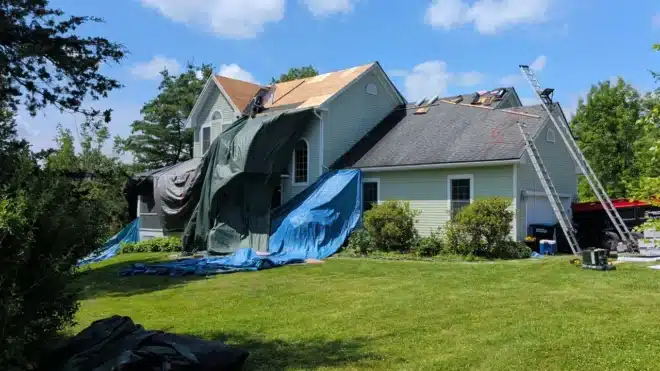
Winter in Vermont can be harsh, and your roof is your home’s first line of defense against the elements. As temperatures drop and snow begins to pile up, it’s crucial to ensure your roof is ready to withstand the chill. In this blog, we’ll explore seven warning signs that indicate your roof may not survive the winter months, along with practical solutions to address these issues before it’s too late.
Cracked or Missing Shingles
One of the most obvious signs of roof distress is cracked or missing shingles. These can allow water to seep in, leading to further damage. Regular inspections and timely repairs can prevent a minor issue from turning into a costly problem.
It’s not uncommon for storms or heavy winds to dislodge shingles. If you notice shingles scattered around your yard after a storm, it’s a clear indicator that your roof might need urgent attention. Don’t wait for the next rainfall to check for leaks; address this issue as soon as possible.
Remember, cracked or missing shingles not only impact the aesthetics of your home but can also jeopardize its structural integrity. An engaging way to think about this is: your roof is like a shield; if there are gaps, the entire system weakens. Be proactive and consider a roof inspection by a professional.
Curling Shingles or Granule Loss
Shingles that are curling at the edges or have lost granules may indicate aging or deterioration. This can compromise your roof’s ability to shed water effectively, so consider replacing damaged shingles or consulting with a roofing professional.
Granule loss might seem like a small issue, but it can greatly affect the life of your roof. When granules wear off, the shingles become vulnerable to ultraviolet rays, leading to premature aging. If you spot this happening, putting off repairs might be a costly mistake down the road.
Additionally, aesthetic changes can signal deeper problems. Curling shingles may appear harmless, but they can create gaps that allow moisture to enter. Therefore, conducting a thorough assessment of your roof is essential to keeping it safe and functional throughout winter.
Sagging Roof Deck
A sagging roof deck can signal serious structural problems, often due to moisture damage. If you notice any sagging, it’s essential to have it evaluated immediately to prevent potential collapse under the weight of winter snow.
The roof’s health is fundamental to your home’s safety. Sagging can indicate a hidden leak or even water pooling, which can weaken the materials underneath. This often results in more extensive repairs that not only drive up costs but also time spent without a stable roof.
If you suspect your roof deck is sagging, don’t hesitate to contact a roofing contractor near you. They can provide a thorough analysis and recommend the necessary steps to reinforce your roof’s structure and ensure it can handle heavy winter snowfall.
Excessive Moss or Algae Growth
While a little moss might seem harmless, excessive growth can retain moisture and damage your shingles. Regular cleaning and maintenance can help keep your roof healthy and free from unwanted growth.
Moss and algae thrive in damp conditions, which is particularly unfortunate in winter months when roofs are often snow-covered. If not treated, this growth can lead to costly repairs. Make it a habit to inspect your roof, especially after heavy rains.
Preventative actions such as clearing debris from your roof and ensuring adequate drainage can significantly minimize moss and algae growth. If the problem persists, professional cleaning services can restore your roof’s integrity and appearance.
Interior Water Stains
If you see water stains on your ceilings or walls, it’s often a sign that your roof is leaking. Identifying the source of the leak quickly can save you from more extensive repairs down the line.
Water stains can be tricky; sometimes, they don’t appear until significant damage has been done. Thus, if you notice even the slightest discoloration, it’s time to take action. The sooner you address water stains, the easier it will be to prevent costly repairs.
Additionally, keep an eye on the rooms directly below your roof. Attic spaces and upper floors are particularly vulnerable to leaks. A roofing contractor can help pinpoint the source of the leak, ensuring your home remains dry and damage-free during the snowy months.
Damaged Flashing
Flashing is critical for directing water away from areas like chimneys and vents. If the flashing is damaged or missing, it can lead to leaks and water damage. Regular checks and repairs can prevent issues before winter.
Damaged flashing can create severe vulnerabilities in your roof. Even minor cracks or gaps can allow water to seep in, causing rot and subsequent structural issues. Make sure to inspect the flashing at least once a year and after severe weather events.
Keep in mind that flashing repairs can seem minor, but they can save you from major inconveniences, such as leaks or even mold growth. Taking this inspection seriously can offer peace of mind, especially as the winter months approach and temperatures plummet.
Ice Dams and Icicles
Ice dams can form when heat escapes from your home and melts snow on your roof, which then refreezes at the eaves. This can cause water to back up and enter your home. Proper insulation and ventilation can help minimize the risk of ice dams.
Observing icicles may appear beautiful, but they can be a sign of heat escaping your home. Once melted water freezes again, it can create barriers that lead to significant water damage. Not only is this damaging to your roof, but it’s a risk to your interior spaces as well.
Monitoring your roof for ice dams and icicles is crucial. Investing in improved insulation and ensuring proper ventilation can make a world of difference in winter. A roofing contractor near you can guide you through these improvements, ensuring your home remains comfortable and protected.
Protecting Your Home This Winter
By keeping an eye out for these warning signs and addressing any issues promptly, you can help extend the life of your roof and keep your home safe during Vermont’s challenging winters. If you’re unsure or need assistance, don’t hesitate to reach out to a roofing contractor near you for an expert evaluation and repairs.