
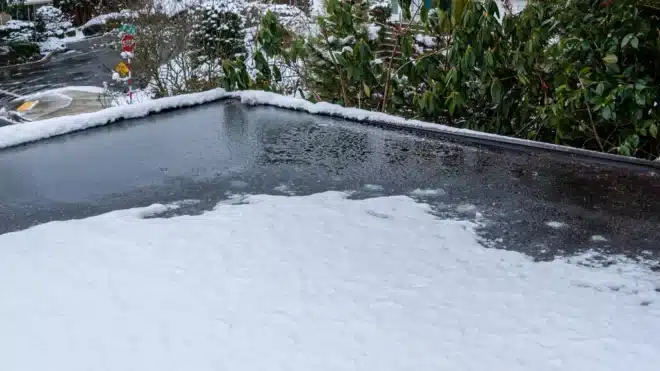
As spring approaches, the melting snow and warming temperatures bring essential tasks for commercial building managers, particularly when it comes to roof maintenance. A thorough spring roof thaw check is crucial to ensure the integrity and longevity of your roof. In this guide, we’ll explore the key aspects to consider during this important time, helping you maintain a safe and secure environment for your building and its occupants.
Understanding the Importance of Roof Thaw Checks
Roof thaw checks are essential as spring brings thawing temperatures that can lead to significant structural problems if not addressed. These checks are similar to a health examination for your building’s roof, allowing managers to detect potential issues before they escalate. By being proactive, you’re not just preserving your roof; you’re also protecting your investment. Consider the impact of hidden leaks that could disrupt business operations – these checks help preempt such costly interruptions.
Moreover, the failure to perform timely inspections can lead to water pooling, which poses a higher risk for damage. By understanding the significance of these thaw checks, you’re taking the first crucial step in safeguarding the longevity of your commercial roof. Think of it as preventative maintenance that can save you time, hassle, and money in the long run.
Inspecting for Ice Dams and Snow Accumulation
Ice dams can silently wreak havoc on your roof throughout winter, accumulating moisture that may not be visible immediately. During your spring thaw inspections, closely examine eaves, ridges, and valleys, where ice often accumulates. Early identification is key to mitigating risks such as water leaks and mold growth that can degrade your roofing materials and affect the interior of your building.
To assess snow accumulation, remember that a roof can only support a certain amount of snow depending on its design. If there is an excessive load, this could lead to structural instability. When inspecting, use a ladder and look for potential weak spots, or consult with a roofing professional. A thorough roof assessment helps maintain not only safety but also the aesthetic appeal of your building.
Checking for Roof Membrane Integrity
The integrity of your roof membrane is foundational for preventing leaks and other moisture-related issues. As snow melts, inspect the seams and flashings for signs of wear or separation. Addressing small issues now can prevent much larger problems later. With a keen eye, look for cracks, tears, and punctures—these seemingly minor blemishes can lead to significant upheaval down the line if left unresolved.
Additionally, understanding the manufacturer’s warranty for your roofing system is critical. Document the condition of your roof during these inspections. If discrepancies arise later regarding coverage, having this evidence can ensure you’re protected. A proactive approach to roof maintenance can directly influence the longevity and performance of your commercial building’s roof.
Evaluating Drainage Systems
An often-overlooked aspect of roof maintenance is the drainage system. Properly functioning drainage prevents water from pooling, which can lead to significant strain on roofing materials. As you conduct your spring thaw check, clear out any debris from gutters and downspouts to facilitate proper water run-off. Clogs can easily lead to overflowing, causing unwanted damage to the roof and the property below.
After heavy snowmelt, performing a quick check of the drainage system can make all the difference. If you notice standing water, it’s essential to address it immediately. Reach out for assistance or consult experts who specialize in commercial roofing; they can provide insights and help ensure that the drainage flows freely and efficiently.
Working with a Trusted Roofing Contractor
Partnering with a reliable commercial roofing contractor in Vermont can be a game-changer for your maintenance strategy. Professionals bring experience and knowledge that can simplify the inspection process. They will not only identify potential issues you might overlook but also offer solutions that adhere to the latest building codes and standards. This collaboration is crucial for maintaining the health of your roof.
When selecting a contractor, seek those with a proven track record and favorable reviews. Ask about their specific experience in dealing with seasonal transitions and maintaining commercial roofs in your area. A good contractor will suggest a tailored maintenance plan, ensuring that you’re ready for anything the spring thaw might bring. Establishing a working relationship with experts can ultimately save you time and reduce overall costs.