
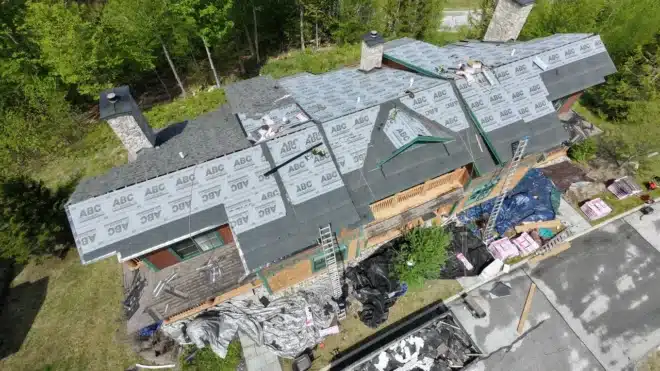
Commercial roof installation is a significant investment for any business owner. Whether you’re constructing a new building or replacing an old roof, understanding what to expect can save you time, money, and hassle. In this blog, we’ll break down the key elements of commercial roof installation to help you make informed decisions.
Understanding the Importance of a Quality Roof
A roof is more than just a structure; it is the first line of defense against the elements. A quality roof can prevent water damage, improve energy efficiency, and enhance the aesthetic appeal of your building. Just imagine, a sturdy roof not only keeps out rain and snow, but also helps regulate temperature, making your workspace more comfortable year-round.
Moreover, investing in a well-constructed roof can save you substantial costs in the long run. Poor rooftop conditions often lead to higher energy bills and costly repairs. When businesses prioritize quality installations, they typically see a remarkable difference in both short-term performance and long-term value.
Types of Commercial Roofing Systems
There are several types of roofing systems available for commercial buildings, including flat roofs, sloped roofs, and green roofs. Each type has unique benefits and considerations, which we’ll explore to help you choose what best fits your needs. Flat roofs, for instance, are often favored for their accessibility and ease of maintenance.
On the other hand, sloped roofs are excellent for water drainage and tend to have a longer lifespan. Yet, they may come with higher initial costs. Meanwhile, green roofs are becoming increasingly popular not just for their environmental benefits but also for enhancing a building’s aesthetic appeal. Each option brings something valuable to the table, making it crucial to assess your specific requirements.
Ultimately, the choice of roofing system can influence everything from energy efficiency to insurance costs. It’s essential to weigh these factors thoughtfully, ensuring that whatever system you choose, it aligns both with your budget and your building’s functionality.
Selecting the Right Materials for Your Roof
Choosing the right materials is critical for the longevity and functionality of your roof. Common materials include TPO, EPDM, and metal; each with its own advantages in terms of durability and cost. TPO roofing, for instance, is known for its energy efficiency and affordability, making it a popular choice among budget-conscious businesses.
In contrast, EPDM offers excellent longevity and resistance to weathering, making it ideal for regions with extreme weather conditions. Metal roofing, while often higher in upfront costs, provides unparalleled durability and can last up to 50 years with proper maintenance. When selecting materials, consider not only the initial expense but also the lifecycle cost and benefits they bring.
It’s also vital to think about environmental impact. Sustainable options are becoming more readily available and can greatly enhance your image as a green and responsible business. Properly researching and weighing these factors will empower you to make an informed decision that aligns with both your functional needs and ethical considerations.
The Installation Process: What to Expect
Understanding the installation process can help you manage expectations. From initial consultation to final inspection, we will outline the key steps involved in a typical commercial roof installation. The journey begins with a thorough site assessment, where your contractor will evaluate your current roofing situation and listen to your specific needs.
Next comes the planning phase, wherein materials are chosen, and a timeline is established. This stage might seem tedious, but it’s crucial for ensuring the project’s efficiency and adherence to local building codes. Once the actual installation begins, you will witness a transformation: old materials will be removed, and the new roofing system will be meticulously applied with quality workmanship.
Finally, after the installation is completed, a thorough inspection will ensure that everything meets safety and quality standards. This is your opportunity to ask any lingering questions and understand the maintenance required to keep your new roof in prime condition.
Hiring the Right Roofing Contractor
Finding a reputable roofing contractor is essential. We’ll discuss tips on how to evaluate potential contractors, including checking credentials, reviews, and previous work. Start by seeking recommendations from fellow business owners or looking for local companies with proven track records.
It’s advisable to request at least three quotes, allowing you to compare pricing while also getting a feel for different contractors’ communication styles and professionalism. Additionally, make sure the contractor is licensed, insured, and bonded; these are non-negotiable benchmarks that protect you in the event of mishaps during installation.
When meeting potential contractors, don’t hesitate to ask about warranties and the types of materials they usually recommend. A committed contractor will take the time to ensure their work and materials align with your needs, providing peace of mind that you are making a sound investment.
Cost Considerations and Budgeting
Roof installation can be a significant expense. It’s important to understand the various costs involved, including materials, labor, and potential unforeseen expenses, to create a realistic budget. Many business owners find it helpful to break down costs into categories, evaluating whether features such as insulation or additional warranties are worth the upfront investment.
After you establish a budget, consider building in a cushion for those unexpected expenses that often arise during construction projects. Weather delays, supply chain issues, or additional work can elevate your expenses, so it’s wise to anticipate these possibilities.
Researching financing options can also be beneficial. Many roofing companies offer financing plans that make the upfront costs more manageable, allowing you to pay over time without sacrificing quality. Ultimately, being keenly aware of these financial aspects ensures you’re prepared, not just at the beginning of your project, but throughout the entire process.
Maintenance Tips for Longevity
Once your roof is installed, regular maintenance is key to prolonging its life. We’ll cover essential maintenance tips and how to identify and address potential issues early. One of the first steps is to develop a regular inspection schedule, ideally twice a year, to check for signs of wear or damage, such as leaks or pooling water.
Beyond inspections, keeping your roof clear of debris is equally important. Leaves, branches, and any foreign objects can accumulate and lead to moisture retention, which can escalate repairs down the road. Don’t forget to ensure gutters and drains are functioning properly, as this helps maintain proper water flow and avoids backup issues.
Lastly, consider employing a professional service for periodic check-ups. Many roofing contractors offer maintenance packages that include cleaning and inspection, allowing you to focus on your business while ensuring your roof remains in top shape. Regular care enhances the longevity of your roof and protects your investment.
Final Thoughts
By understanding the essentials of commercial roof installation, from choosing the right materials to hiring experienced professionals, you can ensure that your building remains safe and secure for years to come. Remember, a well-installed roof not only protects your investment but also enhances the overall value of your property.