
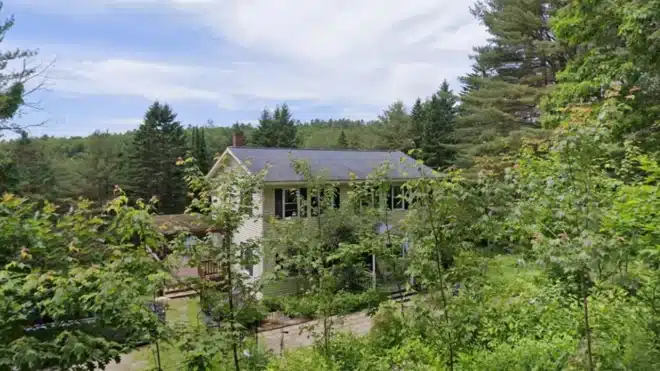
As the chill of winter fades and nature bursts back to life, May presents the perfect opportunity for homeowners to give their roofs some much-needed attention. Proper maintenance of your roof is essential for prolonging its lifespan and preventing costly repairs. Let’s explore why May is the best month for roof inspections and what you should look for during this crucial time.
The Importance of Regular Roof Inspections
Regular roof inspections are vital for identifying potential problems before they escalate. From missing shingles to excessive debris, early detection can save you from costly repairs and keep your home safe. Many homeowners underestimate the state of their roofs, believing visual appearances alone warrant confidence. However, beneath that seemingly flawless surface, there could be hidden issues waiting to compromise the integrity of your home.
Moreover, regular inspections promote long-term health for your roof. A proactive approach can help address minor repairs that, if left untouched, could lead to significant damage. Just as you would schedule annual check-ups with your doctor, your roof requires similar diligence. It’s part of responsible homeownership. Think of it as an investment in the overall value of your property and peace of mind.
Additionally, inspections can often uncover problems related to ventilation, which, though not apparent to the untrained eye, can lead to more significant issues such as moisture buildup and energy loss. It’s not just about looking for missing shingles but ensuring your roof is functioning optimally.
Why May is the Optimal Month for Inspections
May brings warmer temperatures and less precipitation, making it easier and safer to inspect your roof. This month also follows winter weather, allowing you to assess any damage that may have occurred during the cold months. The transition into late spring is not only a metaphorical rebirth for nature; it’s a reconciling period for your home. As everything starts to green and bloom, setting aside time for an inspection ensures your roof can weather any summer storms ahead.
Furthermore, the dry conditions typically found in May are ideal for detecting potential leaks or weak spots that might have become problematic during winter. A solar dappled roof is much easier to scrutinize than one slick with moisture. Homeowners can utilize the fine weather to get up close and personal with their roofs without risking slips or falls. After all, safety is paramount in any internal household maintenance.
In addition, scheduling your inspection in May clears the way for any necessary maintenance or repairs that shouldn’t wait until the rainy season. Planning ahead means you can afford your time and budget rather than scrambling for urgent fixes. Plus, many roofing contractors in Vermont offer special deals at this time of year, making it a cost-effective choice for your projects.
What to Look for During Your Roof Inspection
When inspecting your roof, be on the lookout for damaged or missing shingles, signs of wear around flashing, and accumulation of debris in gutters. Each of these factors can significantly impact your roof’s performance and longevity. Missing shingles can expose the underlying material to the elements, which can lead to dampness and rotting. On the other hand, flashing acts as a barrier against water intrusion; if this is compromised, you’re inviting leaks into your living space.
Also, don’t forget to check the gutters and downspouts. Cleaning out debris is essential for proper flow, preventing water buildup on your roof that can lead to sagging and other structural issues. A little effort here can go a long way in protecting your property from costly repairs down the line. As you do your inspection, also be aware of any new plant growth or moss. While they may seem harmless, they can trap moisture and damage your roofing materials over time.
Lastly, keep an eye out for any signs of sagging in the roofline or unusual granule loss in asphalt shingles. These are signs that could indicate deeper, structural problems brewing beneath the surface. Addressing them quickly can save you time, money, and a lot of stress in the future.
DIY Roof Inspection vs. Hiring a Professional
While some homeowners may feel comfortable conducting a DIY inspection, hiring a professional can provide peace of mind. Professionals have the experience and tools required to spot issues that you might miss. They possess an intricate understanding of roofing systems and can identify potential problems with enhanced accuracy. Moreover, a trained eye may also predict future problems based on current wear and tear, thereby saving you from unexpected costs.
Additionally, an expert roofer will carry the necessary safety gear, allowing them to inspect hard-to-reach places without putting themselves at risk. Let’s face it—rooftops can be tricky territories to navigate! In light of this, it’s essential to weigh the benefits of an expert versus the potential hazards of a DIY approach.
Even for simple observations, having a professional present can make a world of difference in catching subtler issues that could lead to major headaches. Think about the long-term implications, and the decision often becomes clear. While DIY inspections can be cost-effective for minor issues, they may end up being far more costly down the line if significant damage is missed.
Common Roof Problems Encountered in Vermont
Vermont’s weather can take a toll on roofs. Common issues include ice dams from winter snow, leaks from heavy rains, and damage from falling branches. Understanding these unique challenges can help you be proactive in your roof maintenance. The transition of seasons often leads to fluctuating temperatures, which can exacerbate lurking problems. What may seem like a minor issue could quickly escalate due to the state of the surrounding environment.
Additionally, roofs in Vermont face the constant wear and tear from heavy snowfall and ice accumulation, often leading to leaks or structural issues if not properly maintained. Factors such as moisture retention in shaded areas can also contribute to premature deterioration. Keeping these nuances in mind will help you remain ahead of the game in your roof upkeep. Early intervention can make all the difference in preservation versus replacement.
Fallen branches, especially after heavy winds or storms, can also cause acute damage. Regularly pruning surrounding trees and ensuring your roof is clear of debris can minimize risk and prolong its lifespan. Educating yourself about these common problems creates an empowered homeowner, one ready to tackle any issues directly and confidently.
Final Thoughts on Spring Roof Care
In conclusion, conducting a roof inspection in May not only helps you catch potential issues early but also ensures your home is ready to handle the summer storms ahead. By prioritizing this important task, you can protect your investment and maintain the comfort of your home.