
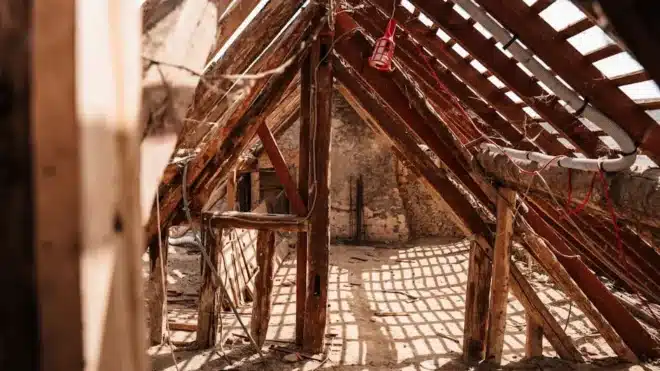
During the hot summer months, your attic may seem like a quiet, unused space. However, beneath the surface, a dangerous battle may be brewing that could threaten the integrity of your entire roof. Understanding how a baking attic can affect your roof is essential for homeowners looking to protect their investment. Join me as we explore the often-overlooked dangers of attic heat and humidity, and learn how to prevent costly roof repairs later on!
The Hidden Risks of Excessive Heat
When temperatures soar in your attic, damaging heat and humidity can build up, weakening your roofing materials. On a sunny afternoon, the asphalt shingles on your roof can heat to astonishing levels. This blistering heat doesn’t just linger outside; it seeps down into your attic, transforming it into a sauna for your roofing structure. Many homeowners overlook this aspect, thinking that heat only impacts the exterior appearance. However, the internal environment plays a pivotal role in your roof’s lifespan.
The accumulation of heat within an attic isn’t merely uncomfortable; it gradually wreaks havoc on the materials holding your roof together. Untreated, this can lead to premature wear and tear. After days of intense heat, shingles can start to bubble, causing them to lose their protective granules. Homeowners might notice these issues over time, ignoring subtle signs until they result in expensive repairs. To avoid this, homeowners in [City] should be proactive and inspect their roofs regularly.
Understanding Roof Damage from Inside Out
It’s not just the exterior elements that affect your roof; the internal environment also plays a critical role in its longevity. The effectiveness of your roof isn’t measured by surface appearance alone. Heat buildup can cause critical damage to the internal structures, such as rafters and beams, leading to compromised integrity. Lower-quality roofing materials can further exacerbate these issues, making it crucial to choose wise options when repairing or replacing your roof.
Furthermore, the hidden damage isn’t always apparent. You may first notice signs in your living space, like increased drafts or fluctuating temperatures. A well-ventilated attic, on the other hand, acts like a shield, protecting your home from these insidious threats. For homeowners, understanding how heat affects their roofing system is paramount to maintaining the value of their property.
The Role of Insulation and Ventilation
Proper insulation and ventilation work together to create an optimal attic environment, reducing the risk of heat build-up. Think of insulation as the first line of defense against the heat trying to penetrate your home. When paired with a well-designed ventilation system, it can make a world of difference. The right setup ensures cooler air can flow in while hot air escapes, decreasing the interior attic temperature significantly.
Without these two crucial elements working in harmony, your attic can easily transform into a furnace. Most homeowners may not realize that investing in proper insulation and ventilation can minimize energy costs dramatically. A well-ventilated attic helps air conditioning units work more effectively, leading to reduced energy bills and a longer lifespan for your HVAC system.
In Burlington, VT, where summer heat can become oppressive, taking these measures is especially vital. Before the heat of summer starts, check your insulation and ventilation systems to ensure they are up to par. Don’t wait until it’s too late!
Signs Your Roof May Be at Risk
Look for yellow stains, peeling paint, or warped beams as indicators that your roof might be suffering from attic heat damage. While you might be accustomed to viewing your roof from the ground, it’s vital to pay attention to subtle clues that suggest damage has taken root. Small signs can snowball into more severe issues if left unchecked, so being vigilant can save you considerable hassle and cost in the long run.
You may also notice increased humidity inside your home or musty odors creeping into your living areas. These clues often indicate trapped moisture in your attic, where it shouldn’t be. If there are distinct changes in indoor comfort or any growth on structural wood surfaces in your attic, it could signal an unhealthy environment for your roof.
Essential Tips for Maintaining Your Attic
Regular inspections, adding vents, and using reflective barriers can help prevent costly roof repairs connected to attic issues. People often overlook the importance of simple attic maintenance tasks. Establish a routine for checking insulation levels, and ensure ventilation pathways are clear from obstructions. Scheduling an inspection in early spring can prepare your home for the summer months and can highlight any problems before they escalate.
Reflective barriers are becoming increasingly popular for homeowners looking to boost attic performance. These barriers help to reflect radiant heat away from your living space, working alongside ventilation and insulation. A little effort in maintaining your attic can significantly enhance your home’s energy efficiency and overall comfort.