
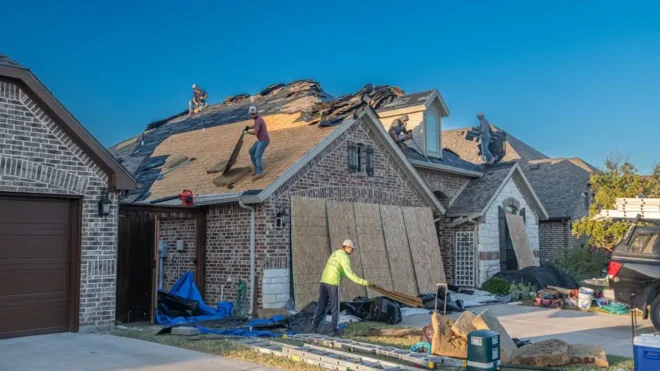
Planning a roof replacement can be a daunting task, especially when considering the costs involved. If you’re in Vermont, you might wonder what to expect in 2026 when it comes to roof replacement costs. In this blog, we’ll break down the factors that influence pricing, the average costs you might encounter, and tips for budget planning.
The Factors Influencing Roof Replacement Costs
When considering roof replacement, several factors come into play. These include the type of materials used, the size and pitch of the roof, labor costs, and any additional features like skylights or ventilation systems.
First and foremost, the choice of materials significantly impacts the overall cost. High-end materials such as slate or tile can elevate your expenditure considerably, while more budget-friendly options like asphalt shingles keep costs low. It’s important to balance quality with your budget.
Next, the roof’s size and pitch will also dictate costs. A larger roof will naturally require more materials and labor, which can raise the price tag. Moreover, steeply pitched roofs may necessitate specialized labor and equipment, further inflating expenses.
Finally, labor costs vary significantly based on the time of year and local market conditions. Hiring contractors during peak seasons, such as late spring and summer, often leads to higher labor rates, making timing an essential factor in your budgeting process.
Average Roof Replacement Costs in Vermont
In 2026, homeowners in Vermont can expect to pay anywhere from (5,000 to )15,000 on average for a complete roof replacement. This range can fluctuate based on the type of roofing material chosen and the complexity of the installation.
To give you a clearer picture, the average cost for asphalt shingles typically hovers around (7,500. In contrast, if you opt for more durable materials like metal, your costs might rise to approximately )12,000. Understanding these averages can guide your budgeting.
It’s not just about materials; the complexity of your roof’s design—such as multiple layers and structures—can also affect the final bill. Therefore, assessing both the average costs and the unique attributes of your roof is vital for precise budgeting.
Types of Roofing Materials and Their Costs
Different roofing materials come with varying costs and durability. For instance, asphalt shingles are generally more economical, while metal roofs might cost more upfront but offer significant long-term savings and durability.
Wood shakes can add a rustic charm to your home but come with maintenance requirements and costs that can climb upwards of $10,000. Alternatively, synthetic options can mimic these looks at a lower price, making them an attractive choice for budget-conscious homeowners.
Additionally, let’s not overlook the longevity of your investment. While some materials may seem pricey initially, their lifespan and energy efficiency can lead to significant savings over time, allowing you to recoup the investment through lower energy bills.
Labor Costs and Their Impact
Labor can be a significant part of your roofing budget. In Vermont, skilled labor costs vary by region and season, so it’s essential to factor this into your total roof replacement cost.
Understanding the average hourly rates can provide you with insights into potential total labor costs. Typically, you might expect to pay between (50 to )100 per hour for a skilled roofing contractor in Vermont. The total labor cost can add up quickly based on the complexity of your project.
Moreover, the timing of your project can play a pivotal role in labor costs. Scheduling your roof replacement in the off-peak season may yield more competitive rates due to a lesser demand for contractors, potentially saving you a substantial amount.
Hidden Costs to Consider
Beyond the base cost of materials and installation, there may be hidden costs to watch out for, such as permits, disposal of old roofing materials, and any necessary repairs to the underlying structure.
Permits may seem trivial, but neglecting them can result in hefty fines. Taking the time to research your local regulations can save you money in the long run, ensuring a smooth installation process.
Another often-overlooked factor is the disposal of your old roofing materials. Many contractors charge extra for disposal services, so it’s prudent to ask about these costs upfront to avoid surprises when the final bill arrives.
Financing Your Roof Replacement
For many, the upfront cost of a new roof can be overwhelming. We’ll explore financing options, including personal loans, home equity lines of credit, and roofing-specific financing plans.
Personal loans can be a quick solution, offering flexibility in repayment terms. However, it’s essential to review interest rates and terms carefully to ensure you choose the best option for your financial situation.
Home equity lines of credit (HELOCs) can also provide a valuable resource. They allow homeowners to tap into their property’s equity, often at lower rates than traditional loans, making them an appealing option for those eligible.
Finding the Right Contractor
Choosing a reliable contractor is crucial for ensuring a successful roof replacement. We’ll discuss tips for finding qualified professionals and what questions to ask during the hiring process.
One of the first steps in your search should be checking for proper licensing and insurance. A qualified contractor will be able to provide proof of both, protecting you from liabilities that could arise during the project.
Moreover, seeking referrals from friends or family can guide you toward trustworthy options. Online reviews also provide valuable insights, helping you narrow down your choices based on past customer experiences.
Summing It All Up
Understanding the costs associated with a roof replacement in Vermont in 2026 can help you prepare financially and ensure you’re getting the best value for your investment. With careful planning and by considering all the factors outlined in this post, you can make informed decisions that will protect your home for years to come.