
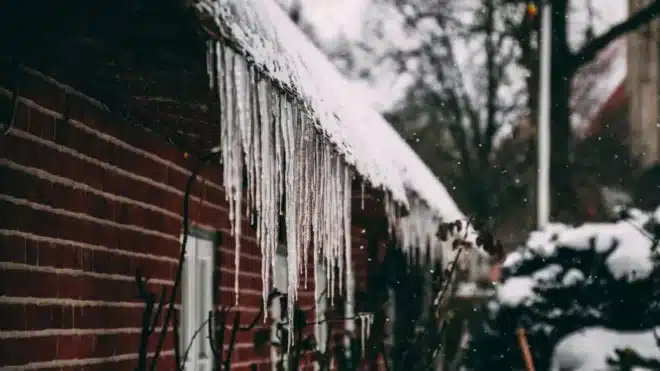
Winter can bring stunning landscapes, but it can also create hidden hazards for homeowners. Ice dams are one of those challenges that can cause significant damage if not addressed properly. In this blog, we’ll explore the basics of how to prevent ice dams, ensuring your home stays safe and sound during the cold months. Let’s dive into some practical solutions that anyone can follow!
What are Ice Dams and Why Should You Care?
Ice dams occur when snow on the roof melts and then refreezes at the edge, creating a dam that prevents water from draining. This can lead to leaks inside your home and musty odors or mold. Understanding the risks is the first step in prevention.
In essence, ice dams form primarily due to poor insulation and ventilation. When the heat escapes from your home into the attic, it warms the roof and melts the snow. This melted water then runs down the roof until it reaches the colder eaves, where it refreezes. This cycle can create significant ice buildups that can have dire consequences for your roof and the interior of your home. So, tackling the problem before it manifests is crucial.
Ignoring the potential for ice dams can be a slippery slope—pun intended! Not only can they cause serious structural damage, but they can also lead to costly repairs. In the worst cases, the weight of the ice and water can cause gutters to collapse or form interior leaks that can compromise insulation and even the structural integrity of your walls. By understanding how ice dams form, you can take actionable steps to ensure they don’t become a dreaded winter headache.
Insulation: Your Best Defense
Good insulation keeps warm air inside your home where it belongs. Effective insulation in the attic is crucial in maintaining the temperature on your roof and reducing the chance of ice dams forming.
To effectively prevent ice dams, you should aim for an attic insulation level that meets or exceeds the recommended R-values. In colder climates, this means insulation that can stop heat from escaping upward. Insulation materials, such as fiberglass batts or spray foam, can provide a thick barrier that traps warmth and keeps the underside of your roof cold. When your roof maintains a consistent temperature, it drastically reduces the likelihood of ice forming along the eaves.
Additionally, don’t overlook the importance of sealing any air leaks that may exist in your attic. Take some time to inspect for spaces around vents, pipes, and electrical outlets where heat might be escaping. Air sealing can enhance the performance of your insulation and make it exponentially more effective. A well-insulated attic not only aids in ice dam prevention but also contributes to overall energy savings—making it a win-win situation!
Ventilation: Letting the Roof Breathe
Proper attic ventilation helps regulate roof temperature. By circulating cold air and expelling warm air, you can prevent snow from melting and refreezing along the eaves. Who knew airflow could make such a difference?
The key to effective ventilation lies in balancing intake and exhaust systems. Typically, intake vents are installed at the lower part of the roof, allowing fresh air to enter, while exhaust vents are placed at or near the peak of the roof, allowing heated air to escape. This flow of air prevents conditions that favor ice dam formation and keeps your attic cool and dry—all essential to protecting your home.
One popular solution is installing ridge vents. These provide a continuous exhaust system that works hand-in-hand with soffit vents, creating a measured airflow that helps to stabilize the temperature. A well-ventilated attic can significantly reduce moisture buildup, which not only helps in preventing ice dams but also keeps your insulation dry and effective.
Roof Maintenance Tips to Consider
Regular inspections and maintenance of your roof are essential. Ensure gutters and downspouts are clean, and watch for overhanging branches that could impede drainage. A little TLC can prevent big problems down the line.
Moreover, during winter inspections, look out for signs of damage or debris buildup that can trap water and lead to ice dams. Remove any ice or snow buildup from the roof where safe. Utilizing a roof rake can help you safely remove snow without putting yourself at risk. Consider hiring professionals if the snow gets too heavy—better safe than sorry!
Don’t forget about your gutters! They should be clear of leaves and debris so that water can flow freely. Installing gutter guards can be a valuable mitigation strategy to keep your gutters from clogging, thus reducing the chances of ice dams. A few simple maintenance tasks can make a world of difference in avoiding the hassle of ice dam issues.
De-icing Solutions: Safe and Effective Options
If ice dams have already formed, it’s important to handle the removal safely. Consider using calcium chloride ice melt or hiring professionals who can assess and address the situation without damaging your roof.
When attempting DIY solutions, never use sharp tools to scrape at the ice dam, as this could lead to roof damage. Instead, you might consider using heated cables designed to melt ice safely, providing a temporary measure while you implement long-term solutions. Hiring professional services can provide peace of mind, as they are trained to manage ice removal while ensuring no further damage occurs.
Ultimately, the goal is to eliminate the current ice buildup while also protecting your home from future occurrences. After addressing any existing ice dams, it’s time to revisit your insulation and ventilation strategies, ensuring you’re fully prepared for next winter. Remember, prevention is the best way to keep those pesky ice dams at bay!
Final Thoughts on Ice Dam Prevention
Preventing ice dams is about proactive measures and understanding your home’s unique needs. By ensuring proper insulation, ventilation, and maintenance, you can protect your roof from the damaging effects of ice buildup. Remember, a little preparation goes a long way in keeping your home safe and secure during winter. Stay warm and dry!
