
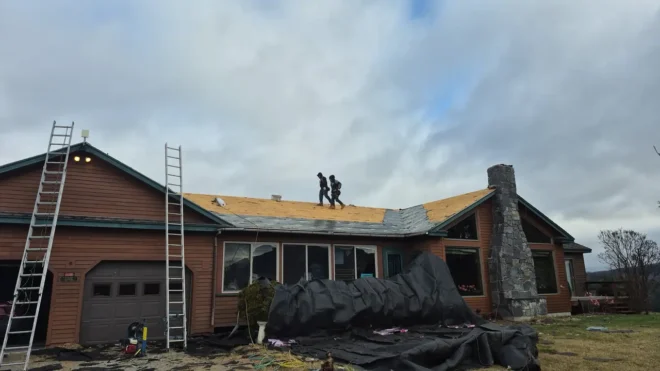
Your roof plays a crucial role in protecting your home, but hidden damage can often go unnoticed until it’s too late. In this blog, we’ll explore practical tips to help you identify those sneaky issues before they escalate into costly repairs. Let’s dive in and keep your roof in tip-top shape!
1. Check for Missing or Damaged Shingles
Take a walk around your home to look for any missing or broken shingles. These can be indicators of more significant issues, and replacing them promptly can prevent leaks.
Consider walking the perimeter of your house after heavy storms as high winds can rip shingles away without you realizing it. Pay close attention to any areas where shingles are mismatched or damaged. Even a small area of missing shingles can lead to a leak, particularly in heavy rain. If you’re nervous about climbing a ladder for a closer inspection, use binoculars for a safe viewpoint.
Remember, keeping your shingles in good condition is key to extending your roof’s lifespan. When you replace shingles, be sure to choose quality materials. Hiring a professional, if you’re not confident in your ability to assess the overall condition of your roof, is an excellent preventive measure to avoid hidden damage.
2. Inspect Flashing Around Vents and Chimneys
Flashing is crucial for keeping water at bay around vents, chimneys, and skylights. Look for rust or gaps in the flashing that could lead to hidden leaks.
The installation and condition of flashing can be just as important as the shingles themselves. Cracked or ill-fitted flashing invites water intrusion, which can cause unseen damage over time. If you notice any concerns, it’s wise to consult a roofing professional for evaluation and repair.
In addition, always check the flashing periodically after intense weather, as it’s susceptible to damage from high winds or snow and ice. Maintaining proper flashing is simple yet effective in preventing hidden roof damage that might take months to notice.
3. Look for Stains on Interior Ceilings and Walls
Yellow or brown stains on your ceilings or walls can be telltale signs of roof leaks. Investigate these areas closely for any potential damage above.
Don’t ignore these signs, as they may indicate ongoing water damage that could lead to mold growth. If you spot a stain, it’s worth checking your attic or roof space directly above it to understand the extent of any issues that may be hiding out of sight.
Look for bubbling paint or peeling wallpaper, both of which can signify moisture infiltration. Early detection can prevent further damage to your home and help maintain its value.
4. Evaluate Your Attic for Signs of Moisture
If you have an attic, make it part of your routine inspections. Look for signs of moisture, mold, or mildew that may indicate roof issues.
A dry attic is a happy attic. Pay attention to the smell as well; if something feels damp or has a musty odor, there’s likely water infiltration. Be proactive about addressing any signs of moisture, as these can lead to bigger problems down the line, including structural damage.
Also, check the insulation; if it’s saturated, moisture could be coming from the roof. Insulate properly to help prevent heat loss, which can further contribute to roof damage in harsher climates or during winter months.
5. Examine Gutters for Granules and Debris
If you notice shingle granules in your gutters, it could signify that your roof is nearing the end of its lifespan. Keep gutters clean to prevent water damage.
Granules protect your shingles from UV rays and provide a barrier against the elements. When they start to wash away, it can expose your shingles and lead to hidden roof damage. Make it a habit to clear your gutters regularly, not just in autumn but also in spring and after storms.
Consider installing gutter guards, which can help reduce the frequency of cleaning and protect your roof from larger debris. Keeping your gutters functional will ensure that water flows away from your home, protecting it from potential damage.
6. Get Familiar with Your Roof’s Age
Knowing how old your roof is can help you anticipate potential issues. Most roofs last about twenty to thirty years, but maintenance habits can affect longevity.
An older roof may need more frequent inspections and maintenance. If you’re unsure about the age, look up any records from your home purchase or consult with the previous owners. Understanding this information allows you to be proactive rather than reactive when it comes to repairs.
7. Watch for Ice Dams in Winter
Ice dams form when heat escapes your home and melts snow on the roof. The water can back up and seep under shingles, leading to hidden damage.
To combat this, ensure your attic is properly insulated and ventilated. This helps minimize heat loss, which is crucial during cold months. If you notice ice dams forming regularly, consider consulting a professional to assess insulation and ventilation.
8. Attend to Overhanging Branches
Overhanging tree branches can scrape and damage roofing materials. Trim back any branches that are too close to reduce the risk of hidden damage.
Not only do these branches cause physical wear, but they can also trap moisture against the roof, accelerating deterioration. It’s best to maintain a safe distance between trees and your roof.
9. Consult Professionals for Regular Inspections
While DIY inspections are valuable, having a professional evaluate your roof regularly can catch issues that you might miss. Their expertise is key to spotting hidden damage.
Many roofing companies offer free inspections or comprehensive maintenance plans, which can provide peace of mind and help save on potential repair costs down the line. Investing in professional help often pays off by preventing larger, more expensive issues from arising.
10. Educate Yourself on Roofing Materials
Different roofing materials have unique traits and vulnerabilities. Understanding what type you have can help you identify potential issues more easily.
For example, asphalt shingles may degrade differently than metal or tile roofing. Familiarity with your specific material allows you to know what to look for and how to tackle maintenance best.
