As winter blankets Vermont in snow, homeowners often face a frustrating problem: ice dams. These pesky formations can cause serious damage to your roof and home if not addressed promptly. In this guide, we’ll explore effective strategies for preventing ice dams, ensuring your home stays safe and sound during the cold months.
Understanding Ice Dams: What They Are and How They Form
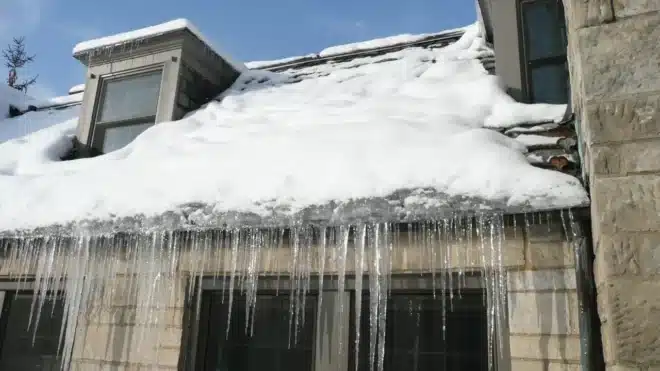
Ice dams occur when snow on your roof melts, runs down, and refreezes at the eaves. This seemingly straightforward process can lead to serious complications for homeowners, especially during heavy snowfall periods. Understanding this phenomenon is crucial, not just for identifying existing problems, but also for preventing future ones. When warmer air from your home seeps into the attic, it warms the roof just enough to melt the snow. The melted water then moves down to the cooler edges of your roof where it refreezes, creating a dam that blocks further drainage.
Once an ice dam forms, it can trap meltwater behind it. This water can seep under shingles and into your home, causing leaks and serious damage. Knowing how ice dams develop means you can take proactive steps, like ensuring proper insulation and ventilation in your home. Remember, prevention is not just about fixing the symptoms; it’s about addressing the root causes.
Proper Insulation: The First Line of Defense
Good insulation is like a cozy blanket for your home. It keeps the heat where it belongs: inside. When your home is well insulated, less heat escapes into the attic, maintaining a colder roof surface. Therefore, adequate insulation can prevent the upward movement of heat that contributes to melting snow. You’re not just keeping your home warm for comfort; you’re actively working to prevent ice dams.
When assessing your insulation, pay attention to the attic. This space should be filled with high-quality insulation materials like fiberglass or spray foam. If your insulation is insufficient, you may notice ice dams forming even after a relatively small snowfall. Moreover, consider periodically checking for gaps or settling that could undermine your insulation’s effectiveness. A quick inspection can save you from costly repairs in the future.
In addition to adding insulation, sealing gaps and cracks around vent pipes, chimneys, and electrical fixtures can also contribute to keeping your roof cold. These little areas can allow significant heat loss that leads to melting snow. By securing these entry points, you build a solid foundation for a preventive strategy.
Ventilation: Keeping Your Roof Breathable
Adequate ventilation is another pillar of ice dam prevention. Think of your attic as a breathing space; it needs to exchange air freely to regulate temperature. When warm, humid air does not exit the attic, it warms the roof, contributing to snow melt. Good ventilation works alongside proper insulation to create a balanced environment in your attic, promoting a stable temperature that minimizes melting.
To achieve effective ventilation, consider installing vents at both the eaves and the ridge of your roof. This setup allows cool air to enter from the bottom and warm air to escape from the top, creating a natural airflow. A well-ventilated attic can make a significant difference, reducing the chances of snow melting and refreezing into ice dams.
Remember, different homes may require different ventilation strategies. Consult with a roofing professional who can assess your specific situation. They can help you determine the best type of vents for your home, whether they are gable vents, ridge vents, or soffit vents, ensuring your attic remains an effective barrier against frost and ice.
Roof Design Considerations: Slopes and Materials
When it comes to ice dam prevention, your roof’s design plays an integral role. A roof with a steep slope is generally more effective at shedding snow, which naturally reduces the risk of ice dam formation. If you’re considering a new roof or renovations, look into designs that allow snow to slide off rather than pile up.
Additionally, the materials you choose can also influence ice dam formation. For instance, metal roofs allow snow to slide off easily due to their smooth surface, whereas shingles tend to hold onto snow longer. By being mindful of these choices in your roofing materials, you can further enhance your home’s resistance to ice buildup.
Consulting with a roofing professional can help you decide which combination of slope and material would work best for your Vermont home. They can provide insights based on local weather patterns and assure that your roof design contributes positively to your ice dam prevention strategy.
Snow Removal Techniques for Your Roof
Once snow starts to accumulate on your roof, timely removal can prevent ice dams from forming altogether. However, safety should always come first. If your roof is steep or you’re not comfortable with heights, it might be best to hire a professional to handle the job. They have the right equipment and expertise to perform snow removal safely.
If you choose to remove snow yourself, there are handy tools designed specifically for this job, such as a roof rake. When using a roof rake, always work from the ground as much as possible to avoid the risks associated with climbing onto your roof. Removing snow carefully will also prevent loosening shingles or damaging your roof’s surface.
As you remove snow, focus on clearing it from the edges where ice dams are most likely to form. This reduces the accumulation that leads to refreezing and blockages. Regular checks after a heavy snowfall can make all the difference in preventing ice dams from developing.
Investing in Ice and Water Shields: Are They Worth It?
When considering long-term protection against ice dams, investing in ice and water shields can be a smart choice for homeowners. These barriers are typically placed under shingles, providing extra protection where water might infiltrate during the thaw-freeze cycle.
While they add to the initial cost of your roofing project, ice and water shields can ultimately save you money in repairs and renovations. If you live in a region prone to heavy snowfall and ice buildup, the investment may pay for itself many times over through the protection they provide.
Homeowners should sit down with their roofing contractors to discuss the specifics of these materials, weighing pros and cons. Understanding your local climate can help you decide if this added layer of protection is worth the peace of mind that comes with it.
Your Final Steps to a Safer Winter
By following these preventative measures, you’ll not only protect your roof but also extend the life of your home. Remember, early intervention is key to keeping ice dams at bay. Enjoy a worry-free winter with a well-prepared home!