
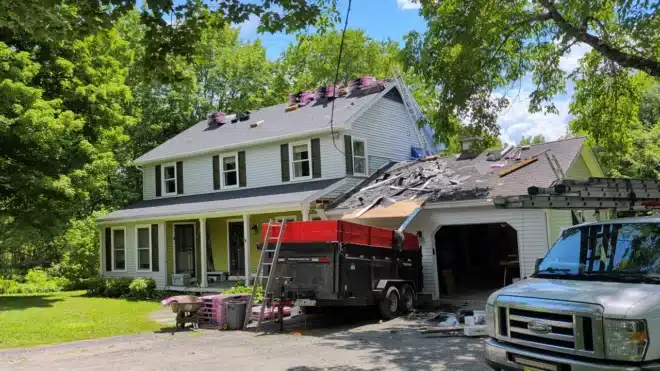
As winter approaches, ensuring your roof is ready for the harsh weather is crucial. We’ll explore the differences between roof replacement and repair, and how you can proactively avoid emergency leaks before the snow begins to fall.
Understanding the Importance of Roof Inspections Before Winter
A thorough roof inspection can help identify vulnerabilities that may lead to leaks during heavy snow. Discover what to look for during an inspection and why it matters. When the temperatures drop, snow and ice become significant threats to the integrity of your roof. By conducting a roof inspection before winter, you can uncover hidden issues like cracked shingles, worn-out seals, or deteriorating flashing that would be easy to overlook at first glance.
But what exactly should you look for? Start by checking for any obvious signs of wear and tear. Are there any shingles that are curling or lifting? This kind of damage can create gaps for snow and ice to seep in. Pay attention to the edges of your roof, as those are often first to undergo wear from harsh winter winds. Look also for discoloration or water stains inside your attic—these may be telltale signs of previous leaks that could worsen as snow accumulates.
Moreover, don’t just inspect the roof from the ground. If it’s safe, consider getting up on a ladder to inspect it closely. You may spot issues that are otherwise invisible. If you’re unsure about how to carry out an inspection, hiring a professional can provide peace of mind. Remember, investing a little time and money into an inspection now can save you from costly repairs later on—especially when emergency leaks can lead to further damage in your home.
Signs Your Roof Needs Repair
Learn the common indicators that suggest your roof may need repair, such as missing shingles or water stains, and how to assess these signs without climbing on your roof. While noticing these signs may seem daunting, being aware of them gives you a significant advantage.
For instance, if you notice discoloration on your ceiling or walls, it may be a red flag that your roof is allowing moisture to seep in. Water stains can vary in size but often indicate that a leak is occurring, putting your home at risk. Additionally, inspect your gutters—if they’re filled with granules from your shingles, it’s a strong sign that your roof is wearing out and needs attention.
More subtle signs include the presence of mold or mildew in your attic. These growths thrive in moist conditions, typically caused by roof leaks. If your home begins to feel unusually humid or if there’s a persistent musty smell, it’s worth checking your roof’s integrity. Addressing these issues sooner rather than later will not only prolong the lifespan of your roof but also protect your living space from costly water damage.
When to Consider Roof Replacement
Explore the scenarios where roof replacement is the better option, including age, extensive damage, and financial considerations. We’ll help you weigh your options. While repairs can often remedy smaller problems, there comes a time when your roof may be beyond repair and a full replacement is the only viable solution.
If your roof is over 20 years old, it might be wise to consider replacing it even if it seems intact. Roof longevity can vary greatly depending on the materials used, exposure to elements, and how well the roof has been maintained. Aging roofs are more susceptible to damage and leaks, especially when faced with heavy snowfall and freezing conditions typical of winter months.
Another critical factor to think about is the extent of damage. If you find yourself frequently making repairs, it may be more cost-effective to invest in a new roof rather than continually patching the old one. It’s also crucial to consider the financial implications; while the upfront costs of replacement are higher, the long-term savings on repairs, energy efficiency, and increased home value make it a worthwhile investment over time.
Cost Factors: Repair vs. Replacement
Budgeting for roof work can be daunting. This section will break down the costs associated with both repair and replacement methods, helping you make an informed decision. When trying to decide between repairing or replacing your roof, one of the key factors will undoubtedly be the cost.
Generally, roof repairs can range from a few hundred dollars to a couple of thousand, depending on the extent of the damage and materials needed. Simple fixes like replacing a few shingles or sealing leaks typically fall on the lower end of the spectrum, making repairs seem attractive for immediate budget relief. However, ongoing repairs can add up significantly over time, and they may not address underlying issues.
In contrast, a full roof replacement can be a larger financial commitment upfront, often costing several thousand dollars. However, it’s essential to consider that a new roof can boost your home’s resale value, improve energy efficiency, and eliminate the worry of recurring repair costs. Additionally, many roofing materials come with warranties, which can provide further peace of mind and potentially save money in the long run.
Preventative Measures to Avoid Emergency Leaks
Implementing preventative strategies can save you headaches down the line. Find out how routine maintenance and timely repairs can keep your roof leak-free this winter. Preparedness is key when it comes to your roof in winter months. By taking the right steps now, you can avoid emergency fixes that disrupt your winter season.
Regular maintenance is vital. This includes cleaning out gutters to ensure proper water drainage and preventing the buildup of ice dams, which can be damaging. Additionally, trim overhanging branches to prevent them from damaging your roof in winter storms. A small effort now can make a significant difference when snow starts to pile up.
Also, as snow and ice melt in warmer weather, take the opportunity to inspect your roof again. If you catch problems early, you can typically manage solutions without needing a costly emergency repair. By being proactive, you ensure that your home remains a cozy haven, no matter how heavy the snowfall might be.
Take Action for a Worry-Free Winter
By understanding the nuances between roof replacement and repair and prioritizing inspections before winter, you can safeguard your home from leaks and costly damages. Don’t wait until the first snow to take action—be proactive and make the right choice for your roof today.