
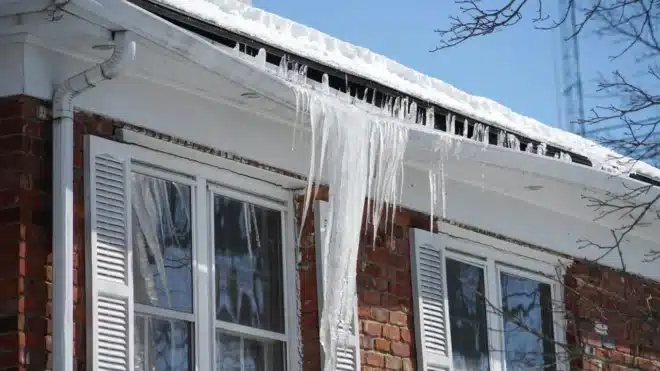
Winter in New England can be beautiful, but it also brings unique challenges for homeowners, especially when it comes to roof maintenance. Ice dams are a common issue that can lead to serious damage if not addressed properly. In this guide, we’ll explore the causes of ice dams, effective prevention strategies, and the best practices for protecting your roof this winter. Let’s ensure your home stays safe and warm during those chilly months!
Understanding Ice Dams: What They Are and How They Form
Ice dams occur when melting snow on your roof refreezes at the eaves, creating a barrier that prevents water from draining. This can lead to leaks and damage to your roofing structure. It’s important to understand how this phenomenon occurs to effectively prevent it.
At the core of the issue is heat loss from your home. When the interior warmth escapes through your roof, it causes snow to melt. As it flows down the roof, reaching the colder eaves, it refreezes. Thus, the cycle of melting and refreezing begins. To combat this, keeping your attic well-insulated can significantly reduce heat loss, maintaining a more uniform roof temperature.
Ice dams not only threaten the structural integrity of your roof but can also lead to water intrusion, resulting in mold and interior damage. Understanding their formation is crucial for devising effective preventive measures. Take time to inspect your attic’s insulation to ensure it meets recommended R-values, and consider performing a heat-loss audit to pinpoint problem areas.
Identifying Risk Factors for Ice Dams in Your Home
Certain characteristics of your home, such as roof design, insulation quality, and ventilation, can increase the likelihood of ice dam formation. We’ll discuss how to identify these risk factors and what steps you can take to mitigate them.
Homes with complex roof designs or those featuring valleys and dormers are at a higher risk for ice dam formation. This is because these areas can trap melting snow, making it more difficult for water to flow off your roof. Regularly clearing snow accumulation from these trouble spots can help reduce this risk, but it’s also vital to examine your attic’s airflow.
In addition to roof design, the quality of your insulation plays a critical role. Poorly insulated attics may contain drafts that elevate certain roof spots, leading to uneven melting. Consider investing in high-performance insulation materials that not only provide better thermal resistance but also help control airflow within your attic space.
Ventilation is equally crucial. Houses that lack sufficient attic vents can trap warm air, contributing to ice dam formation. By adding vents or using a ridge vent system, you enhance airflow and maintain a balanced temperature, reducing the chances of ice build-up as the winter progresses.
Effective Insulation and Ventilation Solutions
Proper insulation and ventilation are critical in preventing ice dams. We’ll cover the best types of insulation and ventilation techniques to keep your roof temperature consistent, preventing the melting and refreezing cycle.
One effective solution is implementing a combination of insulation types, such as rigid foam, spray foam, and traditional batt insulation. This layered approach not only boosts thermal performance but also fills gaps more effectively, diminishing cold spots that lead to ice dams. Make sure to adequately cover all exposed beams and ensure there are no areas where warm air could escape.
Besides insulation, effective ventilation is paramount. Creating a proper airflow system requires intake vents located at the eaves and exhaust vents near the peak of your roof. This allows cold air to enter and warm air to escape, keeping your roof’s temperature lower and helping prevent ice buildup.
Consider using a continuous ridge vent combined with soffit vents for optimal results. The combination ensures that there’s a balanced airflow throughout your attic, significantly reducing the chances of ice dams forming. Furthermore, regular checks of your ventilation system will help maintain its efficacy, especially after large snowfall events.
Roof Design: Best Practices for Ice Dam Prevention
The design of your roof can greatly impact its vulnerability to ice dams. We’ll explore what roof styles are more resistant to ice buildup and how certain design elements can promote better drainage.
Steeper roofs tend to shed snow more effectively than flatter designs. If you’re planning a new roof or renovation, consider adopting a steeper pitch to facilitate snow runoff. Moreover, the addition of overhangs can help direct melting snow and ice away from eaves, dramatically reducing localized melt zones that contribute to dam formation.
Incorporating proper drainage features, like gutters and downspouts, into your roof design is likewise essential. Ensure your gutters are adequately sized to handle winter precipitation, and consider installing heated gutter cables if your area frequently experiences ice dam issues.
Additionally, introducing a waterproof membrane under your roofing material creates an added protection layer. This can be particularly beneficial for homes in consistently snowy locales, preventing any seepage that may occur from melted snow and subsequent refreezing.
Maintenance Tips: Cleaning Gutters and Roofs
Keeping your gutters clear and your roof maintained is essential for preventing ice dams. Learn the best practices for winter maintenance to ensure proper water drainage and roof protection.
Regularly clean your gutters and downspouts of leaves and debris, especially in late fall before the snow starts. Clogged gutters can cause water to back up, increasing the risk of formation on your roof. Schedule cleaning sessions every few months, or inspect them after significant storms.
It’s also vital to check your roof for any signs of damage. Look for missing shingles or leaks and address these issues right away. Even minor problems can lead to larger complications if left unattended. A seasonal roof inspection can provide insights into potential vulnerabilities that need attention before winter.
Installing a snow rake can be an excellent tool for homeowners faced with heavy snowfall. Use it to carefully pull snow off the edges of your roof, reducing accumulated weight and allowing for better drainage into your gutters.
What to Do If Ice Dams Do Form
If you’ve already had issues with ice dams, it’s crucial to know how to deal with them safely. We’ll discuss effective methods for safely removing ice dams without damaging your roof.
First and foremost, avoid using ladders or abrupt mechanical means that could potentially harm your roof or yourself. Instead, consider using a long-handled roof rake to gently pull down the snow accumulation on your roof’s edge. This action can relieve pressure and aid drainage.
If the ice dam is particularly stubborn, applying heat cables along the perimeter could help melt it gradually. Cables should be installed ahead of time—starting in late fall—to ensure they’re ready to go when ice dams form.
In extreme cases where ice dams have already caused leaks, it might be necessary to consult with a roofing professional. They can provide tailored solutions, including assessing whether internal damage has occurred that requires immediate attention.
When to Consider Roof Replacement in Vermont
Sometimes, persistent ice dam issues might indicate a need for more significant repairs or even roof replacement. We’ll guide you on how to evaluate when it may be time to invest in a new roof.
Consider the age of your roofing materials. If your roof is reaching the end of its lifespan and ice dam issues keep recurring, it may be prudent to explore replacement options. Modern roofing materials offer better insulation and ventilation solutions that can greatly mitigate potential ice dam problems.
Additionally, look for signs of damage such as cracked or missing shingles, sagging areas, or water damage inside your home. These are red flags indicating that it might be time to reassess your roofing strategy altogether. Working with a qualified roofing contractor will provide you with clarity about your options and any financial implications.
Lastly, if you’ve invested in prevention measures in the past that seem ineffective, a thorough inspection could reveal underlying issues such as poor ventilation or inadequate insulation that a new roof may resolve effectively. Remember, a well-maintained roof is an invaluable asset that protects your home against the elements.
In Summary
By following these guidelines for ice dam prevention and roof protection, New England homeowners can enjoy peace of mind throughout the winter months. Remember, proactive maintenance is key, and when in doubt, don’t hesitate to consult a roofing professional. Your home deserves the best care!