
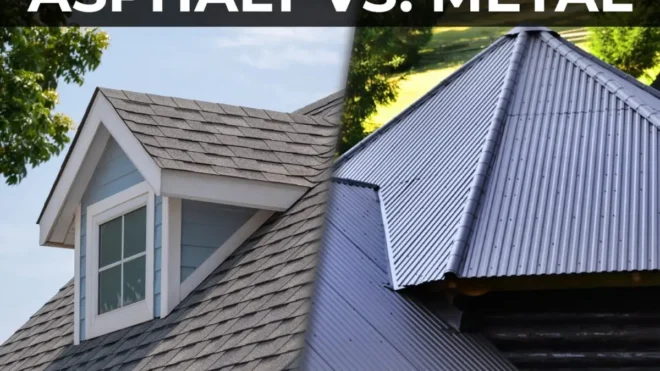
Choosing the right roofing material is a big decision for homeowners in New England, especially when you want durability, cost-effectiveness, and aesthetic appeal. In this article, we’ll explore the differences between standing seam metal roofs and architectural shingles. We’ll compare their upfront costs, lifespans, and return on investment (ROI) to help you make an informed choice that fits your needs and budget.
Understanding the Basics of Standing Seam Metal Roofing
Standing seam metal roofing consists of interlocking panels that create a watertight seal, offering a sleek, modern appearance. This section will delve into the unique features and benefits of this roofing option, including its resilience against harsh weather conditions.
One of the standout characteristics of standing seam metal roofs is their robustness. They can handle snow loads, resist high winds, and offer excellent fire safety. Add to that, the low maintenance requirement, and you can see why many homeowners opt for this material. Not to mention, the sustainability factor—metal roofs are often made from recycled materials and can be recycled again at the end of their lifespan.
Another noteworthy advantage is the longer lifespan of standing seam metal roofs compared to traditional roofing options. With a lifespan of 40 to 60 years, they lead to fewer replacements and, ultimately, less waste. If you’ve ever contemplated investing in your home for the long haul, this should definitely factor into your decision-making process.
Discovering the Appeal of Architectural Shingles
Architectural shingles are popular for their aesthetic versatility and affordability. This section will discuss how they mimic the look of traditional roofing materials, along with their benefits and limitations.
These shingles come in a myriad of colors and styles, making them an attractive option for many homeowners. The layered construction of architectural shingles not only enhances their visual appeal but also adds to their durability. This architectural layer also gives them a dimensional look that elevates the aesthetic of any home. For many, this visual factor is a game-changer—providing the charm of a traditional shake or slate roof without the associated costs.
However, while architectural shingles can offer significant savings upfront, they typically come with a shorter lifespan than metal roofing, often lasting about 20 to 30 years. This means that over time, you may face the need for a replacement sooner than expected. Homeowners should factor in this eventuality when making their choice.
Comparing Upfront Costs of each Roofing Material
When it comes to upfront investment, homeowners must weigh the cost of materials and installation. This section breaks down the costs associated with both standing seam metal roofs and architectural shingles.
Standing seam metal roofs generally have a higher initial cost, often ranging from (7 to )12 per square foot for material and installation. However, many consider this a worthwhile investment due to their longevity and low maintenance needs. In contrast, architectural shingles can range from (3 to )5 per square foot, making them a more budget-friendly option at first glance. Yet, what appears cheaper today might not hold the same value down the line when replacement costs are considered.
Local labor costs in New England can also influence your final expenses. It’s not uncommon for installation rates to fluctuate based on material availability and demand, so it’s smart to do some research or consult with local contractors. Ultimately, the best choice balances both your immediate budget and your long-term financial outlook.
Lifespan and Durability: Which Lasts Longer?
Understanding the lifespan and durability of your roofing option will significantly impact your long-term satisfaction. We’ll explore how each material stands up to New England’s changing seasons.
In the harsh New England climate, your roof battles snowfall, heavy rains, and fluctuating temperatures. Metal roofing excels in this environment, largely because it can withstand these conditions more effectively. Its nature reflects sunlight, which helps to reduce heat absorption in the summer months, while its slope allows snow to slide off easily during winter, reducing the chances of water infiltration.
Conversely, while architectural shingles can manage these elements, they are often more susceptible to wear and tear over time. They can crack or curl under prolonged sun exposure and may not shed snow as efficiently. Furthermore, they may need maintenance or premature replacement due to wind damage. Therefore, for those looking for a set-it-and-forget-it roofing solution, standing seam metal roofing is often viewed as the more durable investment.
Evaluating Long-term ROI on Roofing Choices
ROI is crucial when investing in a new roof. This section will assess how the initial costs of each roofing option translate into potential resale value and the overall benefits for homeowners.
When it comes to standing seam metal roofs, studies point to a favorable ROI attributable to their longevity and energy efficiency. Homes with metal roofs often see higher resale values, as prospective buyers recognize the long-term benefits. On the other hand, while architectural shingles offer a lower initial cost, their shorter lifespan could lead to a lower ROI if frequent replacements become necessary.
Ultimately, assessing your property’s location, potential market changes, and personal lifestyle will inform your ROI calculations. Whether you choose metal roof vs shingles in Vermont, the key lies in not just the upfront cost but how it aligns with your long-term home ownership goals.